Lavender Hill Battersea rubbish removal guide for homes and shops
Posted on 17/07/2026
If you live or trade around Lavender Hill, rubbish has a habit of turning up at the worst possible moment. One week it is a broken wardrobe, the next it is cardboard, packaging, old stock, or the aftermath of a quick refit that somehow became a small mountain. This Lavender Hill Battersea rubbish removal guide for homes and shops is here to make the whole process feel clearer, calmer, and much less messy.
The aim is simple: help you decide what needs clearing, what can be reused or recycled, how collection usually works in a busy SW11 setting, and how to avoid the usual headaches. Whether you are dealing with a flat above a parade of shops, a busy retailer on Lavender Hill itself, or a home that has simply accumulated more stuff than you meant to keep, you will find practical steps here. And yes, we will keep it human, because rubbish removal is rarely glamorous. It just needs doing well.
For a wider look at what a professional team can handle, you can also browse the services overview and the broader waste disposal in Battersea options. If you are comparing providers, the section on pricing and quotes is worth a look too.
Key takeaway: the best rubbish removal plan for Lavender Hill is usually the one that matches access, waste type, timing, and compliance needs rather than just the cheapest van available.
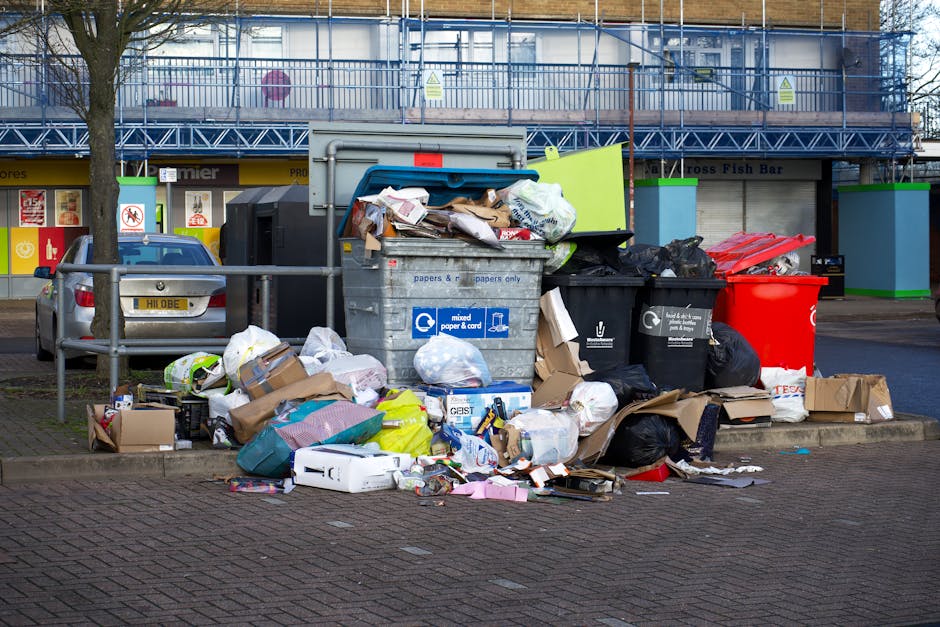
Why Lavender Hill Battersea rubbish removal guide for homes and shops Matters
Lavender Hill is one of those stretches where domestic life and commercial life rub shoulders all day long. You have flats, terraces, cafes, corner shops, salons, small offices, and the constant motion that comes with a busy London road. That mix makes rubbish removal more than a simple lift-and-go job. Space is tighter, access can be awkward, and timing matters because nobody wants sacks, crates, or furniture blocking a pavement or shared entrance at the wrong hour.
For homes, the pressure usually comes from everyday clutter, renovations, moving house, or a loft full of things you forgot you owned. For shops, the pressure is often commercial: stock packaging, display units, old shelving, damaged goods, office junk, or waste from a refit that needs to go quickly so trading can continue. A good removal plan reduces stress and keeps your property looking orderly instead of half-finished.
There is also a trust angle. If waste is handled carelessly, the risks are not just visual. You can end up with blocked access, damage to communal areas, unsafe lifting, or questions about where the waste has gone. That is why many people look for a provider with clear processes, proper insurance, and a compliant approach to handling waste. The pages on insurance and safety and waste carrier licence and compliance are useful trust signals when you are checking options.
Truth be told, the biggest benefit of a thoughtful rubbish removal plan is not just tidiness. It is the feeling that the place is back under control. That matters in a home. It matters in a shop even more, because first impressions on Lavender Hill are doing a lot of work for you.
How Lavender Hill Battersea rubbish removal guide for homes and shops Works
At a practical level, rubbish removal is usually a staged process. First, you identify what needs to leave and whether it is general rubbish, bulky waste, mixed junk, green waste, furniture, appliances, or commercial waste. Then you decide how much help you need, how quickly it needs clearing, and whether the property layout creates any access issues.
For a home, that might mean clearing a few bulky items from a second-floor flat, lifting bags from a garden, or removing waste after a declutter or renovation. For a shop, it might involve collecting broken fixtures before opening hours, taking away packaging after a delivery day, or clearing a back room that has become storage by accident. We have all seen that room. It starts with "temporary" and somehow becomes permanent.
Many removals in Battersea are done on a same-day or next-day basis when timing is tight, but the real difference is in preparation. A clear brief helps the team arrive ready with the right vehicle, labour, and handling method. If the job includes office furniture, retail shelving, or old stock, a more structured service like commercial waste removal Battersea or office clearance Battersea may fit better than a simple one-off collection.
It also helps to separate special items before collection day. White goods, for instance, are usually handled differently from cardboard or mixed junk, and a dedicated appliance disposal service can make that much easier. Likewise, furniture and mattresses often need their own plan. Not dramatic, just practical.
Key Benefits and Practical Advantages
The obvious benefit is space. Once the rubbish is gone, a home feels bigger and a shop feels sharper. But there are a few deeper advantages people sometimes miss.
- Faster turnaround: a clear shop floor or cleared hallway means you can reopen, restock, or move forward without waiting around.
- Less physical strain: bulky lifting is one of the easiest ways to turn a small job into a sore back and a ruined afternoon.
- Better presentation: customers notice clutter. So do neighbours. So do you, usually the second you stop pretending not to.
- Cleaner separation of waste types: recycling, bulky waste, and reusable items can be handled more intelligently when sorted early.
- Lower risk of mistakes: when disposal is planned, there is less chance of mixing hazardous, electrical, or commercial materials with ordinary rubbish.
For homes, a good clearance can also support moving day, probate clearances, loft decluttering, or garden refreshes. For shops, the benefit is often continuity: clear the waste, keep trading, avoid clutter, and stay presentable to footfall on the hill. That is especially handy for businesses with limited storage or a narrow back-of-house area.
You also gain peace of mind from using a provider that is set up for safe handling and responsible disposal. The difference between "someone with a van" and a proper waste team becomes obvious pretty quickly, usually right around the point where heavy items need moving through a tight doorway.
Who This Is For and When It Makes Sense
This guide is useful if you are in one of several common situations. A lot of people on Lavender Hill do not need a huge clearance, they just need the right kind of removal at the right time.
- Homeowners and renters dealing with bulk waste, old furniture, moving-day leftovers, or a cluttered spare room.
- Landlords and agents needing post-tenancy rubbish cleared before cleaning or re-marketing.
- Shops and salons with stock packaging, damaged displays, worn fixtures, or back-room clutter.
- Office teams getting rid of desks, chairs, files, and old equipment during a restructure or refit.
- Trades and renovators generating builders' waste after small works, strip-outs, or decoration jobs.
It makes sense when rubbish is too bulky, too much, too awkward, or too time-sensitive for ordinary bin collections. It also makes sense when you want a cleaner, more compliant approach than piling things outside and hoping for the best. Let's face it, that never looks good, and on a road like Lavender Hill it can become a problem very quickly.
If your waste is linked to building work, a dedicated route such as builders waste disposal Battersea or the localised SW8 Battersea builders waste disposal page may be more relevant. If it is more of a general clear-out, rubbish collection Battersea or waste clearance Battersea may be closer to what you need.
Step-by-Step Guidance
Here is a simple, no-nonsense way to approach rubbish removal on Lavender Hill. This works whether you are clearing a flat, a shop, or a small business unit.
- Walk through the space carefully. Note what is being removed, where it is located, and whether anything is fragile, heavy, or awkward.
- Separate items into rough categories. For example: general rubbish, furniture, electricals, garden waste, cardboard, or trade waste.
- Check access. Think about stairs, narrow hallways, parking, shared entrances, loading space, and any time limits for collection.
- Decide what must go first. If the job is part of a refit or sale, clear the items that unblock the next step, not just the ones you dislike most.
- Choose the most suitable service. A furniture-only job may need a different approach from mixed junk or office clearance.
- Ask for a clear quote. A good quote should reflect volume, weight, labour, and any special handling. If you want to compare approaches, look at pricing and quotes.
- Prepare the site. Move smaller loose items to one area if possible, keep walkways clear, and label anything that should stay.
- Confirm what happens after collection. Recycling, reuse, and responsible disposal should all be part of the plan.
A small but useful tip: if the job is on a busy trading day, schedule the collection for a quieter window. Even 30 minutes can make the difference between a smooth lift-out and a slightly chaotic shuffle with customers coming and going. Nobody wants that, honestly.
Expert Tips for Better Results
After enough clearances, a few patterns become obvious.
Tip 1: measure awkward items before collection day. If a sofa, cabinet, or display unit has to travel through a narrow staircase, the right measurement matters more than the estimate in your head. People are often off by a little. Sometimes a lot.
Tip 2: keep reusable items separate. Things like decent chairs, shelving, or fixtures can sometimes be diverted for reuse if they are in good condition. Even if they are not reused, separating them can speed up the job.
Tip 3: photograph the clutter before the team arrives. It helps everyone agree what is being removed. Handy for shops where stock, packaging, and fixtures can blur together.
Tip 4: clear the access path first. A tidy route reduces damage and saves time. It also makes the property look less stressful, which is no bad thing when you are already dealing with a clearance.
Tip 5: don't wait until rubbish is overflowing. The earlier you act, the easier the lift, the easier the quote, and the less likely you are to end up with a very long Saturday. Been there, done that, regretted it.
If you are removing heavier household items, a dedicated furniture removal service or furniture disposal option may save a lot of backache. For outdoor jobs, garden waste removal Battersea is a useful fit when cuttings, soil, and broken planters are piling up.

Common Mistakes to Avoid
Most rubbish removal problems are avoidable. The tricky bit is that they often feel minor until they are not.
- Leaving everything until the last minute. That usually leads to rushed decisions and less accurate pricing.
- Mixing different waste types together. Some loads are easier and safer to handle when separated in advance.
- Ignoring access restrictions. Parking, loading space, stairs, and narrow doors can all change how a job is done.
- Choosing purely on price. Cheap is not always cheaper if the team cannot handle the job properly or safely.
- Forgetting about compliance. Commercial and trade waste in particular should be handled by a compliant operator.
- Not checking what is included. Some clearances cover labour and loading; others may differ depending on the load type. Read the terms, properly.
Shops on Lavender Hill can run into a specific issue: waste from trading can keep accumulating in a rear store room while the front of house looks fine. It is a bit of a trap. Everything seems manageable until a stock delivery arrives and there is nowhere left to put it. Then the whole place starts to feel cramped and noisy. Best to stay ahead of it.
Tools, Resources and Recommendations
You do not need specialist gear for most small rubbish removal jobs, but a few simple tools make life easier.
- Sturdy gloves for handling cardboard, broken items, and rough edges.
- Clear labels or tape to mark what stays and what goes.
- A phone camera to document the load or note awkward access points.
- Bin bags and boxes for separating smaller items before collection.
- A tape measure for furniture, appliances, or fixtures that need to come down stairs or out of a narrow doorway.
For broader planning, the most useful resources are often the service pages that explain scope, handling, and expectations. If you need a fuller clearance rather than a simple pick-up, the pages for house clearance Battersea, loft clearance Battersea, and office clearance Battersea are helpful reference points.
And if you want to understand how a provider handles paperwork, safety, and payment, the pages on payment and security and insurance and safety are worth checking before you book.
Law, Compliance, Standards, or Best Practice
For homes, the main concern is usually straightforward and responsible disposal. For shops and businesses, the bar is higher because waste is part of day-to-day operations and may include trade waste, mixed materials, or items that require more careful handling. In the UK, the basic best practice is to make sure waste is collected, transported, and processed by a suitably authorised operator, with clear records where appropriate.
You do not need to become a compliance specialist just to clear a shop back room, but you should ask sensible questions. Is the carrier authorised? Do they understand the waste type? Can they explain where the material is going in plain English? If a provider cannot answer those questions cleanly, that is a signal. Not necessarily disaster, but a signal.
For Battersea businesses, it is also wise to think about duty of care in practical terms: keep waste contained, avoid fly-tipping risks, and use a documented, reputable service for regular clearances. A good operator should be able to explain this calmly without jargon. That is one of the reasons the recycling and sustainability page and the about us page can be useful when you are judging whether a provider feels organised and credible.
Best practice is not just about ticking boxes. It is about being able to walk away from the job knowing the waste has been dealt with properly. That peace of mind matters.
Options, Methods, or Comparison Table
There is more than one way to handle rubbish removal around Lavender Hill. The right method depends on volume, speed, waste type, and how much lifting you want to do yourself.
| Option | Best for | Strengths | Watch-outs |
|---|---|---|---|
| Self-load and tip run | Very small domestic clear-outs | Low direct cost, simple if you already have transport | Time-consuming, lifting risk, disposal rules still matter |
| Man and van collection | Mixed household junk, bulky items, small shop waste | Flexible, quick, less lifting for the customer | Quote quality varies, access needs to be clear |
| Dedicated waste clearance | Larger loads, repeated clearances, business waste | Better for compliance, labour, and structured disposal | May cost more, but often more reliable |
| Specialist service | Furniture, appliances, builders waste, office clearance | Tailored handling and safer disposal | Needs accurate waste description in advance |
For many Lavender Hill homes, a mixed removal service is enough. For shops, especially those with regular stock turnover or periodic refits, a more structured commercial service is usually the better bet. If you are dealing with renovation debris specifically, the page on SW8 Battersea builders waste disposal can be more relevant than a general clearance page.
Case Study or Real-World Example
Picture a small independent shop near Lavender Hill that has just finished a light refit. There are flat-pack boxes, packaging wrap, an old counter, a broken chair, and a few bags of mixed waste tucked behind the till area. The front of shop looks fine at first glance, but the back room is another story. One more delivery and the space would have turned into a bottleneck.
Rather than trying to do everything in stages over several days, the owner sorts the waste into three groups: reusable fixtures, cardboard and packaging, and bulky mixed junk. The bulky items are flagged for removal first, because they are blocking the back access route. The collection is booked for early morning, before opening hours, so there is no customer disruption. The team can load quickly, the shop opens on time, and the refit ends up feeling finished rather than half-done.
A similar approach works in homes. One Battersea flat clearance we often see in principle is a spare room filled with old furniture, bags of clothes, and a few electrical items. The moment you separate "keep, donate, dispose," the job becomes easier. The room looks better immediately, and the owner stops feeling slightly haunted by the pile in the corner. Small miracle, really.
Practical Checklist
Use this before collection day. It keeps the job tidy and prevents a lot of silly delays.
- List every item or waste type that needs removing.
- Separate furniture, appliances, cardboard, green waste, and mixed rubbish.
- Check stairs, parking, loading space, and entrance width.
- Confirm whether the waste is domestic, commercial, or trade-related.
- Decide what must be cleared first for safety or access reasons.
- Take photos of bulky or awkward items if needed.
- Ask about insurance, compliance, and what happens to recyclable materials.
- Make sure anything you want to keep is clearly marked and moved aside.
- Choose a time slot that does not clash with your busiest period.
- Review the quote and terms before you confirm.
If your job involves a broader property emptying, the SW11 property clearance Battersea SW8 page may be useful as a reference for more comprehensive removals.
Get a free quote today and see how much you can save.
Conclusion
Lavender Hill rubbish removal is easiest when you treat it like a simple project rather than a rushed chore. Identify the waste, match the service to the load, think about access, and choose a provider that handles disposal properly. That approach works for homes, shops, and the in-between spaces that make Battersea so busy and interesting.
The real win is not just getting rid of unwanted stuff. It is getting back control of your space, your time, and your next step. Whether you are clearing a flat, a shop floor, a loft, or a stock room, the right removal plan saves a surprising amount of stress. And a calmer room just feels better, doesn't it?
If you are ready to move from clutter to clarity, take it one sensible step at a time. That is usually enough.